Press Kit

    Articles

    Perspectives on flow governance and the future of shared spaces.

    Why FIFO is broken for modern venues
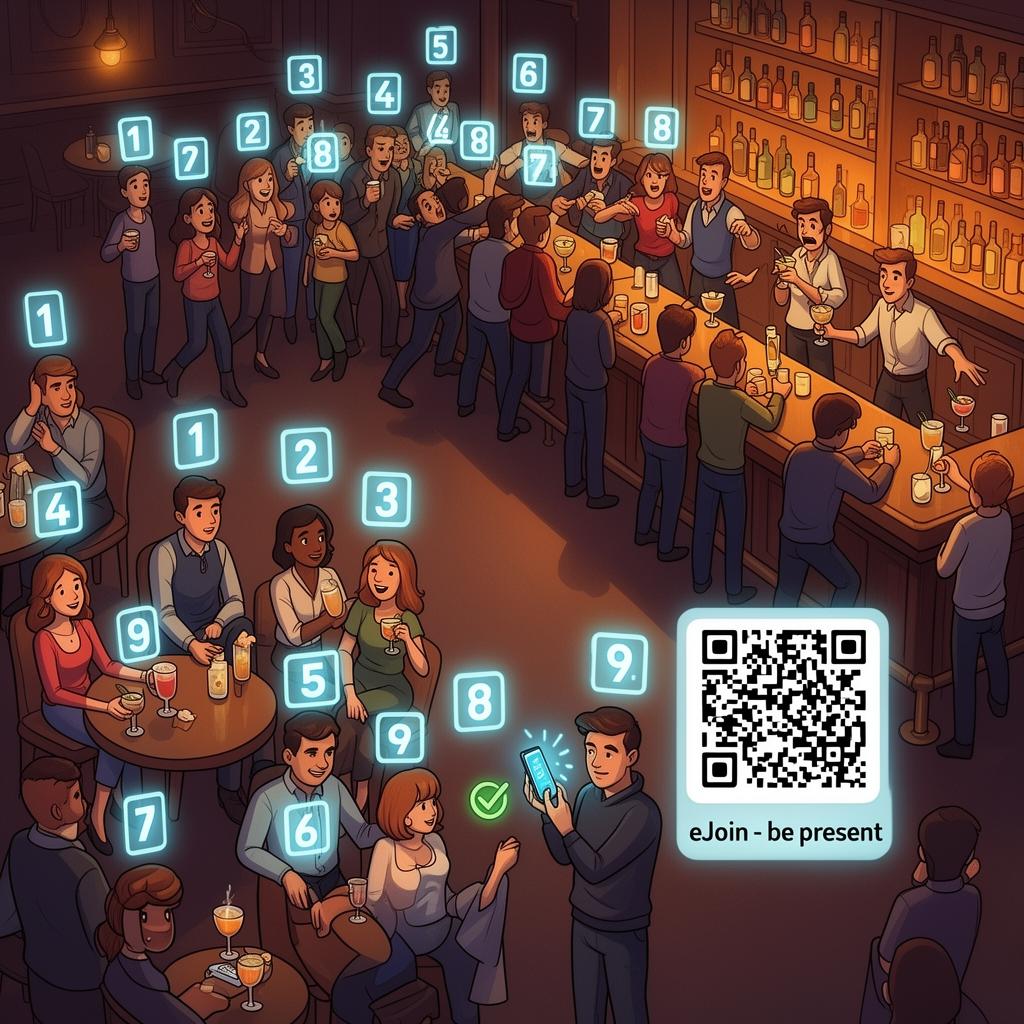
    Illustration comparing a chaotic physical queue at a cocktail bar to a relaxed eLine group, each person with holographic queue numbers

    First In, First Out assumes everyone stands in a line and waits. But modern guests don't want to stand — they want to live. They want to sit with friends, explore, or simply not think about their position.

    In 2026, eJoin introduced Progressive Deference™ to solve the stagnation problem in digital queues. If you're not ready when called, you simply move back — or move yourself back, progressively, if needed. Fair to everyone, more flexible for guests.

    The psychology of waiting shows that perceived fairness matters more than raw order. When people see others skip ahead in a physical line, trust collapses. In eLine, nobody gets skipped. The system is transparent, calm, and governed.

    Self-coordinated queues — what we call WeQ™ — are the future. Operator coordination isn't always necessary. When it isn't, WeQ lets the system run smoothly on its own. An operator can step in when context demands it.

    WeQ reduces supervision without reducing fairness.
    Share this article

    How WeQ keeps an unstaffed queue flowing

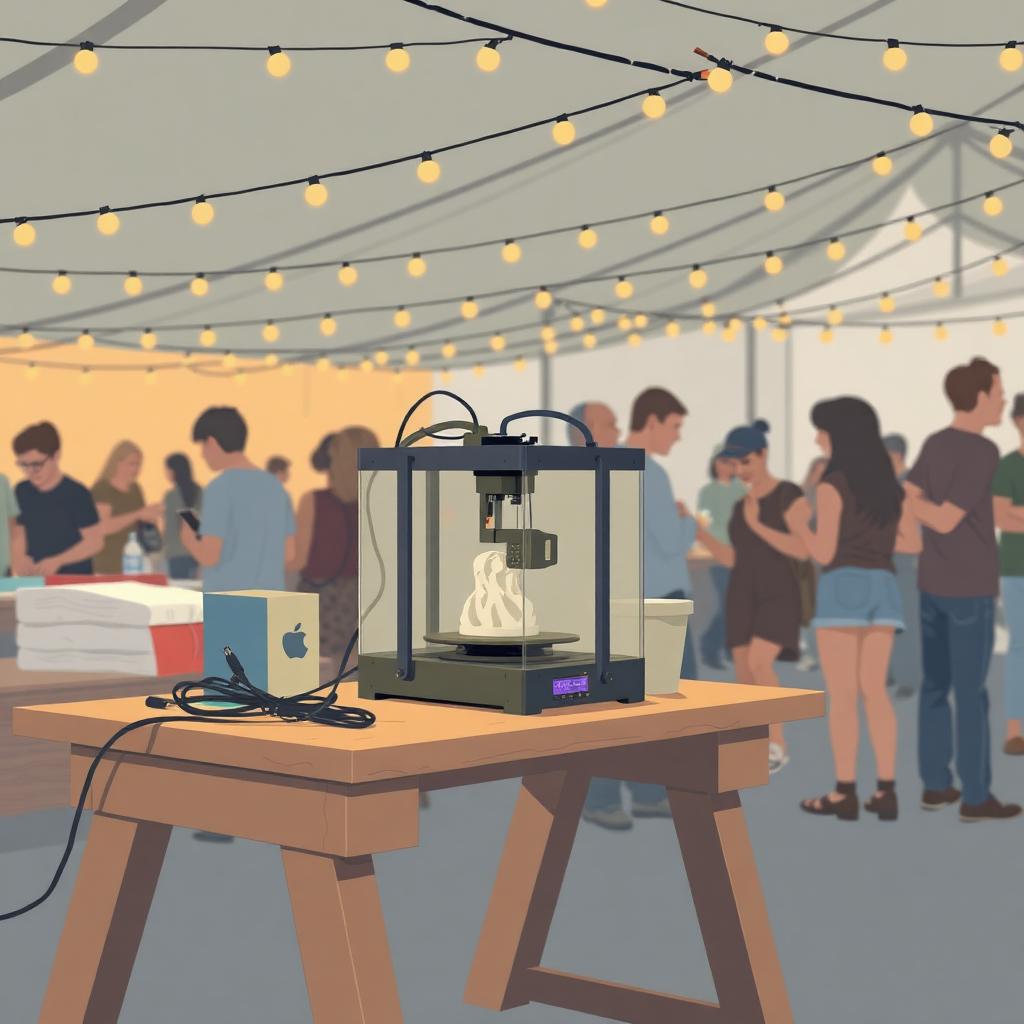
    A 3D printer running on a wooden table at a festival makerspace, with relaxed people nearby waiting their turn

    Some queues don't have a host. A community 3D printer at a maker tent. The shared showers at a festival on a hot afternoon. A tool station nobody is paid to babysit. The line still needs to move — just without someone calling names.

    WeQ is eJoin's self-coordinated mode. Instead of an operator pressing next, the people in the line participate in keeping it flowing. You join, you see where you are, and when it's almost your turn the app gently lets you know to get ready. When you're done, you tap that you're finished — and the next person is up.

    At a festival shower block, this changes the whole feel of the afternoon. Nobody stands dripping in a corridor waiting for a stranger to wave them in. People stay in the sun, in the shade, with their friends. The line lives on their phones, and the showers stay busy without anyone managing them.

    The flow is self-healing. If someone wanders off and misses their turn, they don't block everyone — the line simply moves on, and they can rejoin without drama. If things start to stall, the system quietly nudges the next person to get ready, so momentum returns on its own. Fairness stays intact: no one is skipped, no one is hidden, everyone sees the same picture.

    The trick isn't clever automation. It's that the people waiting are trusted to participate — and the system handles the small moments where trust alone isn't enough.

    WeQ works best where guests can wait nearby and return easily.

    Share this article

    More reading